Best Soundproof Wall Panels for Effective Noise Reduction?
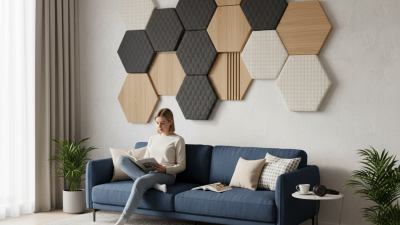
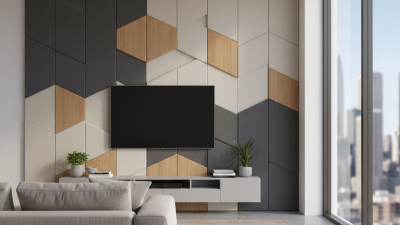
In the quest for tranquility, soundproof wall panels emerge as a pivotal solution. Industry expert Dr. Emily Carter, a renowned acoustics consultant, emphasizes their significance: "The right soundproof wall panels can transform a noisy room into a serene environment." These panels not only reduce noise but also enhance the overall aesthetic of a space.
When selecting soundproof wall panels, be mindful of the material. High-density foam panels excel at absorbing sound. Alternatively, mass-loaded vinyl offers superior performance in blocking noise transmission. The choices may seem overwhelming, yet investing in quality can make a substantial difference.
Effective noise reduction is not just about personal preference; it's about creating a functional space. Consider open-concept living arrangements that lack privacy. Soundproof wall panels can bridge this gap, offering both style and substance. Remember, while options are abundant, finding what works for you may require some trial and error.
Types of Soundproof Wall Panels for Noise Reduction
When considering soundproof wall panels, various types offer unique benefits.
Acoustic panels are popular for absorbing sound waves.
They reduce echo and improve sound quality in recording studios and home theaters.
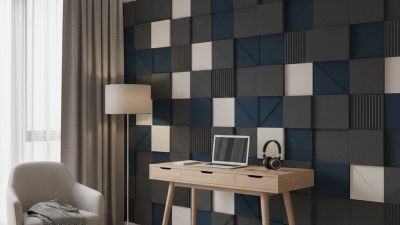
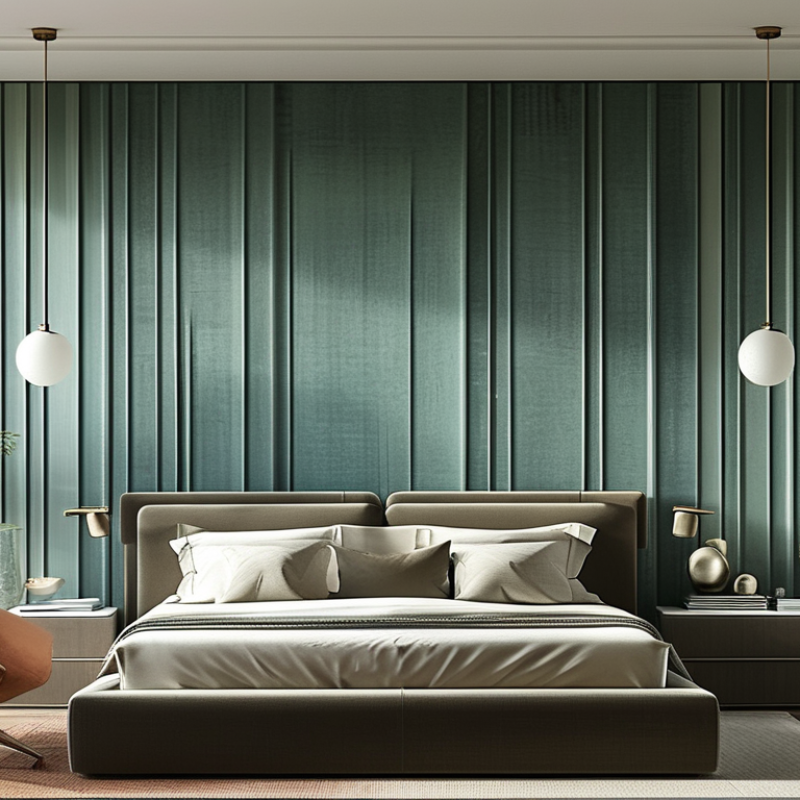
These panels come in different materials, such as foam or fabric, providing aesthetic options for any space.
Mass-loaded vinyl (MLV) panels are another effective choice.
These dense sheets block sound transmission and are ideal for walls exposed to outside noise.
They are often installed behind drywall for maximum effect. Installation can be tricky, and it’s crucial to seal all gaps properly for the best results.
Fiberglass panels offer an eco-friendly solution to soundproofing.
They are highly effective in both commercial and residential settings.
However, their installation might require professional help, as improper setup can lead to uneven sound absorption.
Each type of panel has its pros and cons, and personal needs should guide the selection process.
Balancing effectiveness with aesthetics is key in creating a peaceful environment.
Materials Used in Soundproof Wall Panels
When selecting soundproof wall panels, the materials used play a critical role in effectiveness. Common materials include foam, mass-loaded vinyl, and mineral wool. These materials absorb sound waves, reducing noise transmission through walls. Foam panels are lightweight and easy to install. They decimate sound reflections effectively, making them ideal for recording studios.
Mass-loaded vinyl is dense and heavy. This material adds mass to walls, blocking sound from passing through. It’s particularly useful for loud environments. Mineral wool panels provide excellent sound absorption. They are also fire-resistant, making them a safer choice in various settings.
Tips for choosing the right panels: Consider the room's purpose. For example, a home theater might need different panels than a workspace. Measure your walls accurately to ensure a snug fit. Installation can be tricky; ensure you follow guidelines carefully. Explore the idea of combining materials for better results. Mixing foam with mass-loaded vinyl can yield impressive noise reduction. Always keep an open mind to adapting your choices based on results. Remember, achieving perfect soundproofing is often a trial-and-error process.
Best Soundproof Wall Panels for Effective Noise Reduction
Installation Methods for Effective Noise Isolation
When it comes to soundproof wall panels, installation methods play a crucial role in noise isolation. According to a report from Acoustical Society of America, improper installation can reduce the effectiveness of noise reduction by up to 30%. It’s essential to choose the right method for your specific environment. For instance, wall panels can be adhered directly to drywall with a special adhesive. This method minimizes gaps that could let sound through.
Alternately, a wall frame method can provide better results. This involves constructing a frame and installing the panels within it. This method typically yields a 40% increase in sound absorption. However, it requires more space and can be more labor-intensive. Many overlook the importance of sealing edges and joints. Air gaps can significantly diminish the panels’ soundproofing effectiveness.
Research indicates that the material of the panels also impacts sound performance. Using dense materials, like foam or mass loaded vinyl, enhances sound isolation. Many users may not realize that even the thickness of the panels matters. Thicker panels can absorb lower frequencies better. Yet, beauty and integration within a space shouldn’t be ignored. Balancing aesthetics and functionality is tricky but necessary for achieving optimal soundproofing.
Comparing the Effectiveness of Different Panel Designs
When tackling noise reduction, choosing the right soundproof wall panels is crucial. Different designs offer varying levels of effectiveness. A recent study published in the Journal of Architectural Acoustics indicates that panels made from dense materials, like mass-loaded vinyl, can significantly lower sound transmission by up to 25 dB. This is ideal for environments needing stringent noise control, such as recording studios or home theaters.
Panels with an open-cell foam design excel in absorbing sound waves rather than blocking them. They offer less sound transmission reduction, averaging around 10 dB. However, their lightweight structure makes installation easier, accommodating residential settings or offices. Understanding these differences is essential when selecting panels for specific acoustic challenges.
Tip: Ensure proper installation to maximize panel effectiveness. Gaps or misalignments can greatly diminish soundproofing benefits. Evaluate your space carefully, as not all panel designs will suit every environment.
Additionally, experimenting with a combination of panels may yield the best results. This not only addresses various frequencies but can also enhance the aesthetic of the space. While it’s tempting to prioritize the most effective design, evaluating factors like material compatibility and room dynamics is vital for lasting results.
Cost Considerations for Soundproof Wall Panel Options
When considering soundproof wall panels, cost is a major factor. Quality materials can drive the price up. Cheaper options may not provide the same level of noise reduction. For effective insulation, invest in thicker panels or those made from denser materials. Understanding your space is vital. What works for a small room may not work for a larger area.
Installation costs also vary greatly. DIY installations save money but require skills and time. Professional installation guarantees a proper fit. This may lead to higher upfront costs. You must weigh these decisions carefully. Are you ready for the additional expenses or the potential of a subpar result?
Furthermore, the long-term benefits of soundproofing should be considered. Improved comfort and privacy can enhance the quality of life. Sometimes, investing more initially pays off in the future. Prioritize your needs and budget. This can help you make a sound decision that stands the test of time. Keep in mind that soundproofing is not always perfect. Some sounds may still seep through. Adjust your expectations accordingly.
Best Soundproof Wall Panels for Effective Noise Reduction
| Panel Type |
Material |
NRC Rating |
Cost per Sq. Ft. |
Installation Difficulty |
| Acoustic Foam Panels |
Foam |
0.8 |
$1.00 - $2.50 |
Easy |
| Mass Loaded Vinyl (MLV) |
Vinyl |
0.9 |
$2.50 - $5.00 |
Moderate |
| Acoustic Panels |
Fabric Wrapped |
0.85 |
$3.00 - $6.00 |
Easy |
| Soundproof Drywall |
Gypsum |
0.7 |
$3.50 - $7.00 |
Difficult |
| Corner Bass Traps |
Foam or Fiberglass |
0.95 |
$4.00 - $8.00 |
Moderate |